
Frequently Asked Questions
Navigating the process of dyslexia assessment can feel overwhelming, and parents often have many questions about what to expect. This FAQ section provides answers to some of the most common questions about dyslexia assessments, from how they work to who can conduct them. Whether you’re considering an evaluation for your child or simply want to learn more, I’m here to help you make an informed decision.

What is a dyslexia assessment?
A dyslexia assessment is a comprehensive evaluation conducted by a qualified professional to determine if an individual has dyslexia. It involves a series of tests and observations to assess reading, writing, and language skills.
Why should I get my child assessed for dyslexia?
Early identification of dyslexia can help provide the necessary support and interventions to improve your child’s reading and writing skills. It can also help boost their confidence and academic performance.
Who can conduct a dyslexia assessment?
Dyslexia assessments can be conducted by professionals such as educational psychologists or specialist teachers with an Assessment Practising Certificate (APC).
What is the difference between a psychologist assessment and a specialist teacher assessment?
Both psychologists and specialist teachers can diagnose dyslexia. Psychologists may be needed for more complex cases or when there are co-occurring difficulties. Specialist teachers often have more experience working in educational settings.
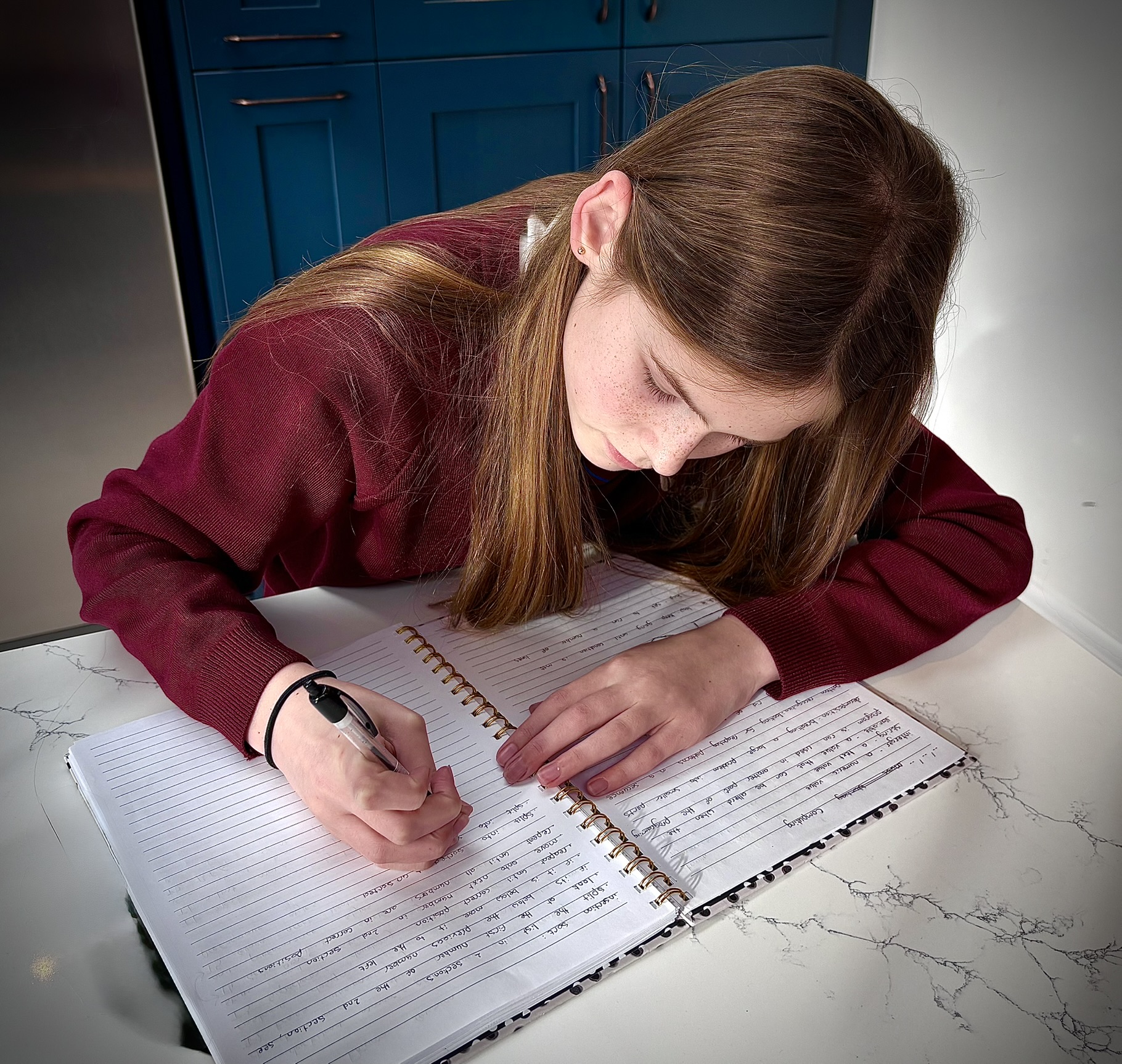

Can a dyslexia assessment help my child get support in school?
Yes, a formal dyslexia assessment report can be used to request additional support and accommodations in school. This may include extra time in exams, assistive technology, tailored learning strategies, or specialist interventions. Schools are required to provide reasonable adjustments under the Equality Act 2010, and an assessment can help ensure your child gets the help they need to succeed. The assessment report can also be used to apply for formal educational support, such as Disabled Students’ Allowances (DSA) or an Education, Health and Care Plan (EHCP) if needed.
At what age can my child be assessed for dyslexia?
It is generally recommended to wait until a child is at least 7 years old before conducting a dyslexia assessment, as development can vary greatly before this age.
What happens after the assessment?
After the assessment, you will receive a detailed report outlining your child’s strengths, challenges, and whether they meet the criteria for dyslexia. A follow-up discussion can be arranged to discuss the findings and next steps.
Is dyslexia inherited?
Yes, dyslexia can be inherited and often runs in families. Having a close relative with dyslexia can increase the likelihood of an individual having it.




 Dyslexia discovery