Frequently Asked Questions
Answers to the questions parents, students and young adults ask me most. I assess children and young people aged 8 to 25. If your question isn’t here, just get in touch and I’ll be happy to help.

What is a diagnostic dyslexia assessment?
It’s a detailed, one-to-one assessment that looks at reading, writing, spelling, memory and how quickly someone processes information. It shows whether they have dyslexia and explains their strengths and the areas they find harder. You receive a full written report with practical recommendations for school, college, university or work.
Who do you assess?
Children and young people aged 8 to 25, from primary school through to college, university, apprenticeships and early careers. Parents are welcome to get in touch on behalf of their teenager. For anyone 18 or over, I’ll also want to hear from them directly, as it’s their assessment.
Who can carry out a dyslexia assessment?
A diagnosis can be made by a practitioner psychologist or by a specialist teacher who holds a current Assessment Practising Certificate (APC). I’m a specialist dyslexia teacher with a PG Cert and a current APC.
What’s the difference between a psychologist and a specialist teacher assessment?
Both can diagnose dyslexia, and both reports are accepted as evidence, including for Disabled Students’ Allowance at university. A psychologist may be the better choice if there are wider concerns, for example about mental health or several overlapping difficulties. Specialist teachers bring in-depth knowledge of teaching and learning, so their recommendations are practical for the classroom and for study.
Can a report help my child get support in school?
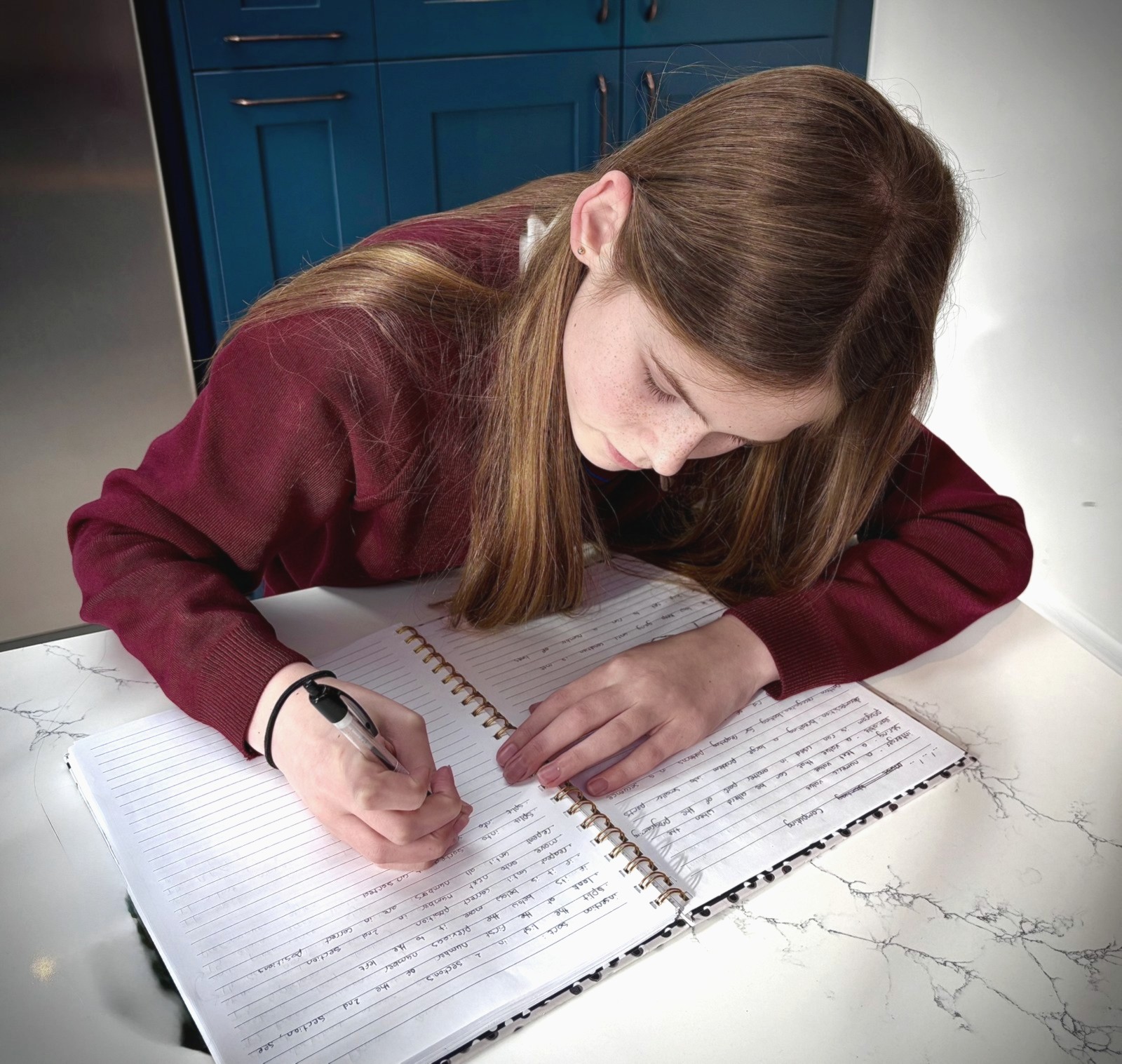
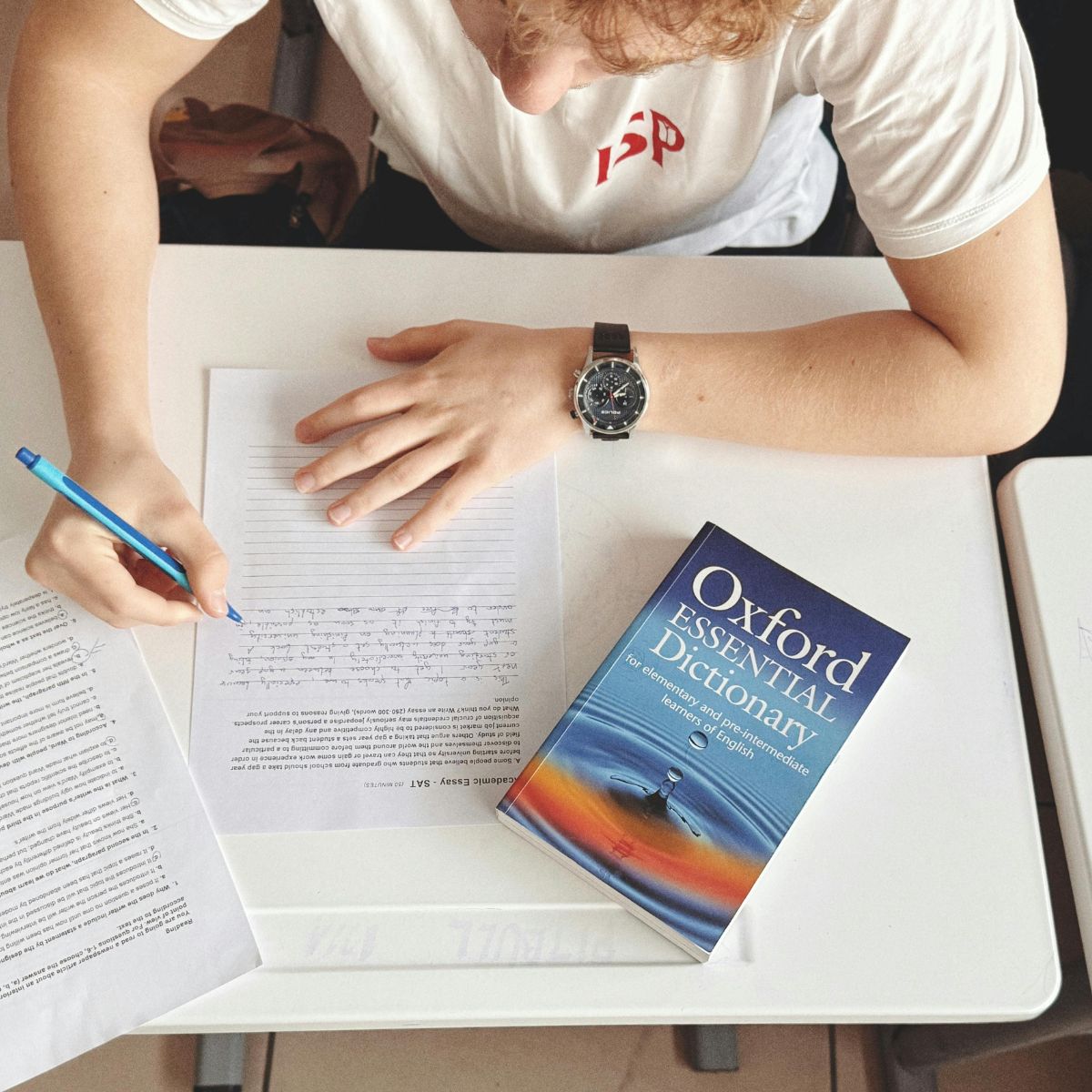
Yes. The report explains how your child learns and gives clear recommendations that you can share with their teacher or SENCO, so school can plan the right support. It can also help school decide whether your child needs exam access arrangements, such as extra time. Those arrangements are decided by the school or college under exam board rules, so a report doesn’t guarantee them, but it gives school a clear picture to work from.
What happens on the day?
The assessment is one-to-one in a calm, quiet room in Leigh-on-Sea and takes 2–4 hours, with plenty of breaks. Assessments take place in school time, with evenings and weekends available for students and those in work. Most children find the activities feel more like puzzles and word games than a test.
What happens after the assessment?
You’ll receive your full written report within 3–4 weeks. It explains whether dyslexia has been identified, the strengths and difficulties found, and practical recommendations. If you’d like to talk it through, you can request a 20-minute follow-up call.
How much does it cost?
A full diagnostic assessment costs £600. This includes the assessment, the full written report and a 20-minute follow-up call if you’d like one.
What’s the youngest age you assess?
I assess from age 8. Before then, children’s reading and spelling develop at very different rates, so it’s harder to tell dyslexia apart from a child who simply needs more time. If you’re worried about a younger child, talk to their school about support now. You don’t need a diagnosis for help to start.
Will the report work for university?
To apply for Disabled Students’ Allowance on the grounds of dyslexia, Student Finance asks for a diagnostic assessment by a practitioner psychologist or a specialist teacher with a current APC, which is what I provide. If you already have an older report, check with Student Finance or your university that it meets their requirements before booking a new one.
Is dyslexia inherited?
It often runs in families. If a parent or sibling has dyslexia, a child is more likely to have it too. It’s worth mentioning any family history when you get in touch.
How far ahead should I book?
As early as you can, especially if there’s a deadline coming up, such as exams or starting university. Get in touch for current availability.
Who sees the report?
The report is sent to you. You decide who to share it with, such as your child’s school, a college, a university or an employer. For anyone 18 or over, the report belongs to them.
How do I book?
Send an enquiry or email rosie@dyslexiadiscovery.org. I’ll get back to you to talk through whether an assessment is right, with no pressure to book.