
For parents and carers · Primary and secondary school
Dyslexia assessments for children and teenagers
Bright, trying hard, but still struggling? Let’s find out why.
A clear explanation of how your child learns, and a practical plan for home and school, from a specialist dyslexia teacher and qualified SENCO.
Signs to look out for
Most children show some of these sometimes. What matters is when lots of them happen, and they keep happening despite extra help.
PRIMARY SCHOOL · AGES 8–11
Bright and chatty, but reading and spelling aren’t clicking
- Reads slowly, or guesses words from the first letter or pictures
- Finds it hard to hear or blend the sounds in words
- Spells the same word in different ways, even after practising
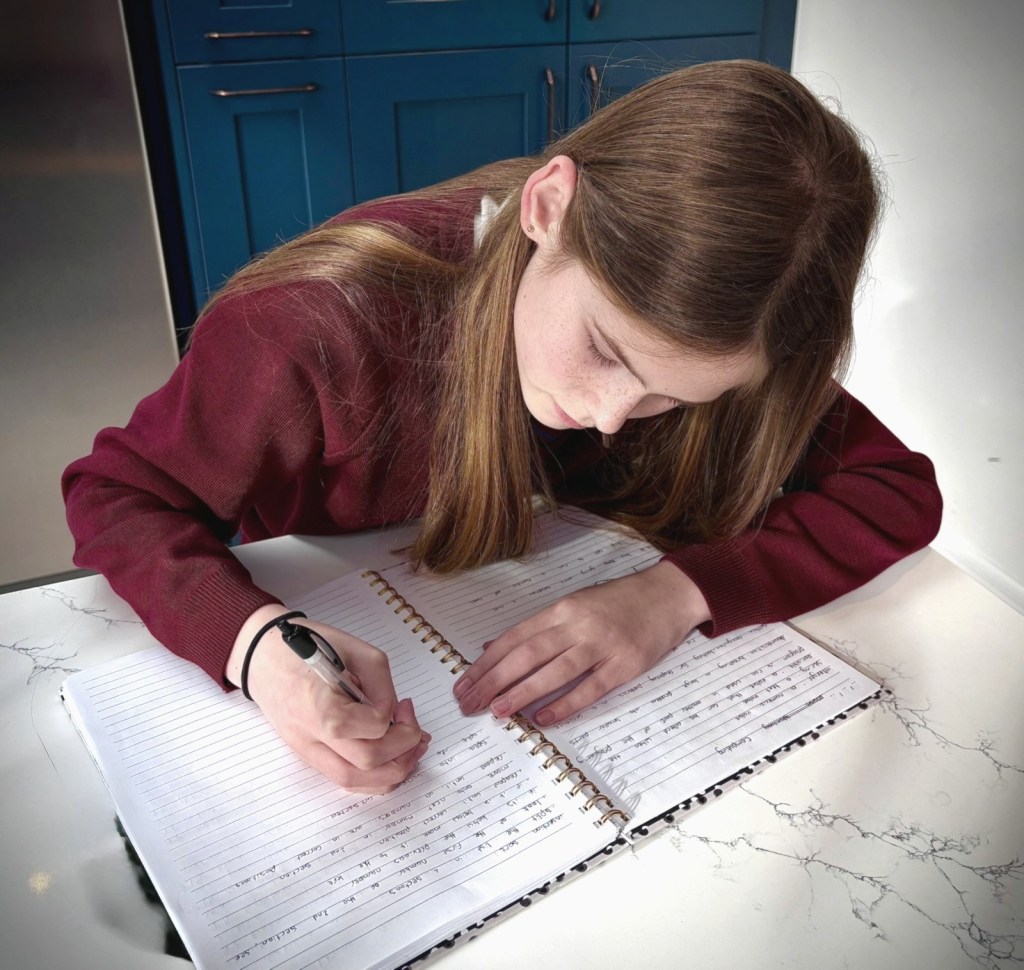
- Has great ideas out loud, but writes very little
- Struggles to learn the alphabet, days of the week or times tables
- Gets upset or switches off when reading or writing is involved
SECONDARY SCHOOL · AGES 11–16
Working hard, but falling behind or losing confidence
- Reads accurately but slowly, and tires quickly
- Runs out of time in tests, even when they know the answers
- Struggles to organise essays and longer written work
- Finds note-taking and copying from the board hard
- Often forgets instructions, equipment or homework deadlines
- Has been called lazy or careless, when you know they’re trying
Look for strengths too
Many children with dyslexia understand stories well when they’re read aloud, have lots of creative ideas, and are good at solving problems and seeing the big picture.
These signs are based on the school checklists published by the British Dyslexia Association (BDA), the UK’s national charity for people with dyslexia. A checklist can’t diagnose dyslexia; only a full assessment can.
How an assessment helps your child
An assessment doesn’t just answer “is it dyslexia?”. It gives you, your child and their school a clear way forward.
Confidence
Understanding why things feel hard can be a huge relief. Many children stop believing they’re “not clever” once they know how their brain works.
A plan for school
Clear, practical recommendations school can act on. As a SENCO, I know what makes a report genuinely useful to teachers. Exam arrangements, such as extra time, are decided by school through their own process, and a report gives them a clear picture to work from.
Help at home
Ideas you can use straight away, from reading and spelling to homework routines, so you know how best to support your child.
What the day is like for your child
- Once you’ve booked and paid your deposit, you and your child’s school fill in background questionnaires, well before the assessment day, so I understand the whole picture.
- On the day of the assessment. Assessments take place in school time. If your child’s school asks for confirmation of the assessment, I can provide it.
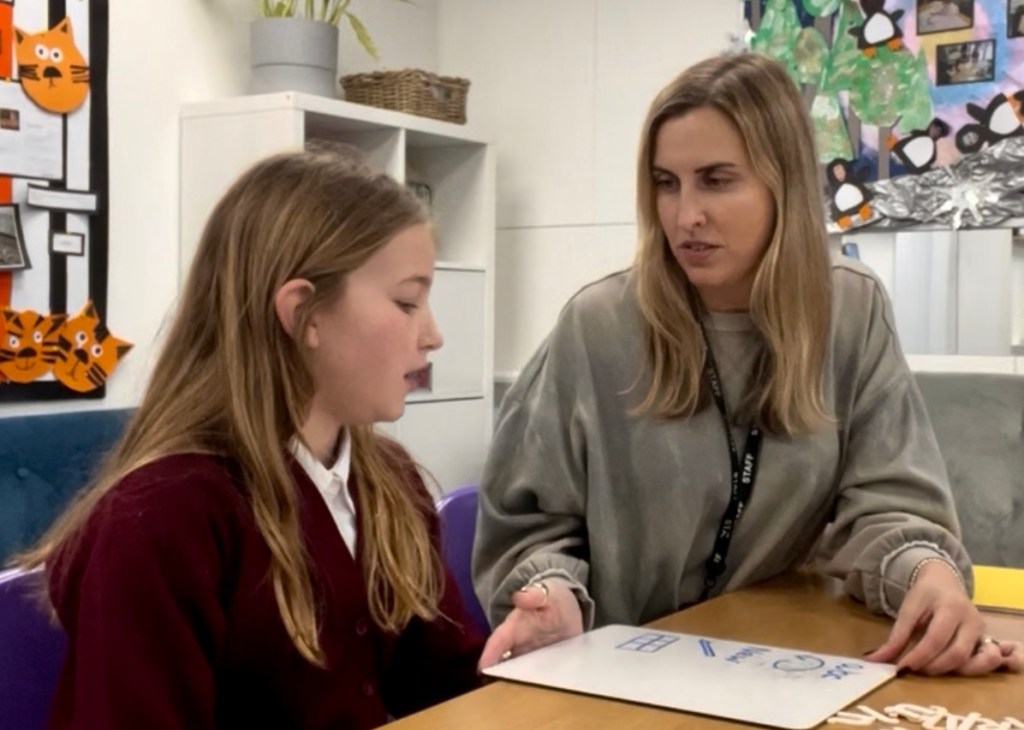
- Calm and one-to-one. 2–4 hours in a quiet room in Leigh-on-Sea, with plenty of breaks. Most children find the activities feel like puzzles and word games, and are surprised how much they enjoy it.
- Your report within 3–4 weeks. If you’d like to talk it through, you can request a 20-minute follow-up call.
PRICE
£600
Includes the full report, plus a 20-minute follow-up call if you’d like one. A £150 deposit secures your booking.
AVAILABILITY
Book early
Spaces fill up, especially before exams. Get in touch for current availability.
WHERE
Leigh-on-Sea
A calm, private room, easy to reach by car or by train.
What families say
“For a long time we thought our son wasn’t very academic and didn’t put much effort in at school. After his diagnosis we realised that he struggles with the processing of language. Rosie has helped our son access the support he needs in school, and restore his confidence.”
CT, parent
“I felt safe and comfortable whilst having my test for Dyslexia. Rosie was patient and understanding and was willing to repeat herself to help me understand.”
FB, age 13
Questions parents ask
How do I explain the assessment to my child?
Keep it simple and positive: it’s a chance to find out how they learn best, with activities and puzzles, and it isn’t a test they can pass or fail.
Why do you assess from age 8?
Children’s reading and spelling develop at very different rates in the early years. From around 8, an assessment can give a much more reliable picture.
What if it isn’t dyslexia?
The report still explains your child’s strengths and where they find things harder, with recommendations and suggested next steps.
Does my child’s school need to agree?
No, you can book directly. With your permission, I’ll ask school for some background information, as it helps build a fuller picture.
Ready to find out more?
Fill in this short form and I’ll get back to you to talk through whether an assessment is right for your child. There’s no obligation to book. Prefer email? rosie@dyslexiadiscovery.org


I’ll only use your details to reply to your enquiry. See my Privacy Policy.